
Central Texas Chapter September 2024 Meeting
September 12, 2024
11:30 AM - 1:00 PM
Add to Calendar
Casa Chapala
9041 Research Blvd, Bldg #100
Austin, TX 78758
Venue website
Directions
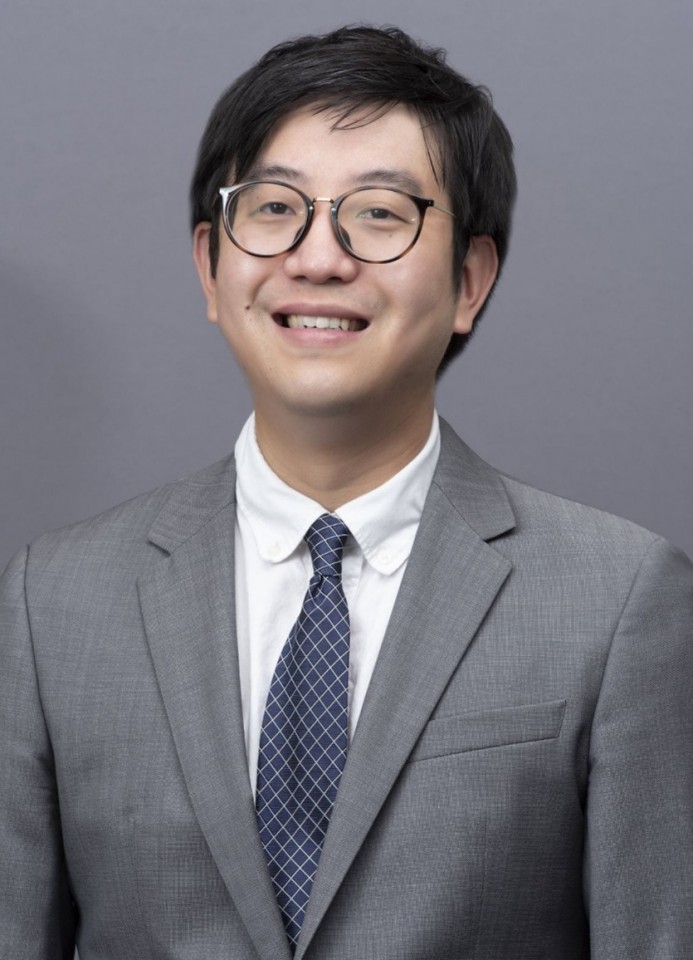
Dr. Xijun Shi, P.E., is an Assistant Professor of civil engineering at Texas State University (TXST), USA. He received his PhD and MS degrees in Civil Engineering, both from Texas A&M University (TAMU). He graduated from the “Mao Yisheng” Honors Undergraduate Pavement Engineering Program at Southeast University in China. After his PhD study, Shi worked as an Assistant Research Scientist/Postdoc at the Center for Infrastructure Renewal (CIR) of Texas A&M University and a Postdoc at the Texas A&M Transportation Institute (TTI). Shi is passionate about advancing sustainable, multifunctional infrastructure assets. His primary research interests lie in the areas of infrastructure materials and pavement engineering. Since joining TXST in Fall 2020, Shi has secured over 20 internal and external research projects funded by NSF, NASA, NCHRP, USDOT, ACI Foundation, NMDOT, TxDOT, etc. as PI or Co-PI, totaling more than $12M. This includes him being a Co-PI of TXST newly awarded USDOT Tier-1 University Transportation Center focused on infrastructure durability. Shi has more than 40 peer-reviewed publications and was lead author of more than 20 of the papers published in prestigious journals. Shi serves on several professional organizations, including American Concrete Institute, Transportation Research Board, and American Society of Civil Engineers. Notably, Shi is a main member of TRB AKP 20 Standing Committee on Design and Rehabilitation of Concrete Pavements and a voting member of ACI 555 Concrete with Recycled Materials, ACI 565 Lunar Concrete, and ACI 221 Aggregates. Shi is Secretary of ACI 555 and chairs ACI 555-A. Shi also serves on the editorial board for several international journals. In addition, Shi recently filed a patent about a sustainable, cost-effective cementitious material (called Plient Concrete) and won the 2021 TXST New Ventures competition and NSF I-Corps and PFI-TT grants for commercialization. In 2022, Shi co-founded a startup company called Circle Concrete Tech Inc (https://buildwithcircle.com/), which is centered upon innovation, like Plient Concrete, that markedly reduces the tremendous environmental impacts of the concrete industry. Shi is a recipient of 2021 USDA E. Kika De La Garza Fellowship and a member of ACI Class of 2022 Emerging Leaders Alliance. In 2022, Shi guided the TXST CaerusCrete team to the first prize at the 2022 NASA MINDS Undergraduate Student Design competition with a lunar geopolymer project.
Abstract: Concrete is one of the most widely used construction materials. Production of portland cement, however, is carbon intensive, and the cement industry accounts for nearly 8% of global carbon dioxide (CO2) emissions. The concrete industry also consumes significant amounts of natural aggregate. Currently, global annual production of concrete is 4.4 billion tons. Typically, 70% of concrete is aggregate, translating to 3.1 billion tons of stone and sand being harvested every year. Excessive extraction of rock and sand depletes natural resources and causes environmentally detrimental secondary effects (e.g., erosion, deforestation, and damage to river ecosystems). Steel is another important element in concrete construction. The production of steel rebar is widely considered the largest single source of greenhouse gases produced in concrete construction. For example, steel production accounts for about 51% of the total energy consumption and about 49% of the total CO2 emission for residential buildings. In this talk, the speaker will present three recently completed projects on using different recycled materials to replace virgin counterparts in concrete. All three studies suggested that recycled materials are a viable option to promote sustainability and achieve cost benefits for the concrete industry.

